
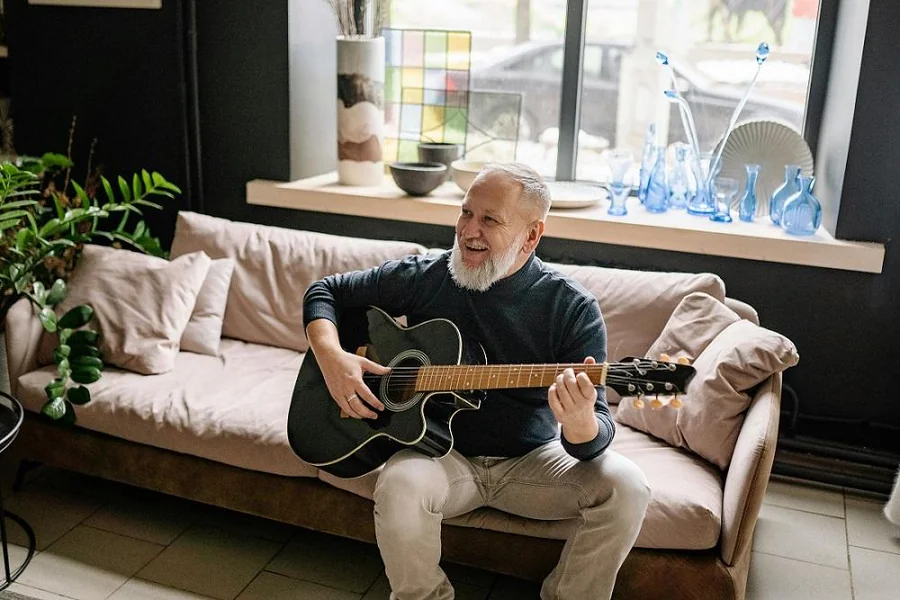
You want activities that feel human, not clinical. You want something gentle that lights up a face, sparks a memory, or calms a restless evening. Art and music do that. They reach parts of the brain that tests sometimes miss. They connect emotion with memory. They make care feel less like tasks and more like living.
Let’s stay together on this guide, reading the insights about art and music supporting memory and mood in elderly adults, and how these activities complement other cognitive activities for seniors.
How Art and Music Connect to Memory
Art and music engage different parts of the brain in comparison to the normal cognitive tests. Neural networks for emotion, procedural memory, and sensory recall tend to be active longer than the areas of the brain that process new verbal memory; thus, an old song or an old painting will often open a window that was previously closed. They work through feeling.
Research shows music therapy can improve mood and reduce agitation in people with dementia, and some systematic reviews report benefits for cognitive function as well.
Art is among the best cognitive activities for seniors, and it also aids in attention, fine motor skills, and a sense of accomplishment. Recent reviews and trials indicate that art therapy can reduce depression and improve quality of life among older adults and patients with mild cognitive impairment. These interventions can complement memory exercises for seniors or memory activities to maintain cognitive health.
What Makes These Activities Helpful for Seniors?
They are multimodal, that is, they involve sight, touch, sound, movement, social interaction, and storytelling. All of these strengthen neural pathways via repetition, emotional salience, and routine. In short, they are human.
You get several advantages from including art and music in a routine:
- Music especially helps reduce agitation and anxiety.
- Songs, rhythms, colors, and textures can cue personal memories and stories.
- Creating art or following music-based tasks engages attention and executive processes, just like other senior brain exercises.
- Group painting or sing-alongs build shared moments and lift mood.
Which Art Activities Can You Try with Older Adults?
Start small. Start familiar.
Good art activities are simple to set up, inexpensive, and flexible to abilities. They let the person lead, and they celebrate process over product.
| Art Activity | What You Need | Benefits for Seniors |
| Collage Making | Magazines, glue sticks, large paper; let the person pick images and tell stories | Encourages storytelling, boosts recall, supports creativity, low-pressure activity |
| Watercolor or Finger Painting | Watercolors, brushes, or fingers, watercolor paper; easy to set up and clean | Sensory stimulation, calming effect, great for self-expression |
| Clay or Play-Doh Work | Soft clay or Play-Doh, simple shaping tools, and gentle hand movements | Supports hand strength, fine motor skills, and tactile memory; complements memory games for elders. |
| Photo Prompts & Scrapbooking | Old family photos, stickers, scrapbook pages, markers | Memory recall, conversation starting, and emotional connection |
| Seasonal Craft Kits | Prepackaged kits for holidays, seasons, or simple crafts | Creates routine, offers short and satisfying wins, boosts mood |
Studies show collage and mixed media activities helped recall and improved reported mood in small trials.
How Can Music Support Memory and Mood?
Music is like a healer for the brain. A melody can call up a room, a person, a celebration.
- Play familiar songs and invite the person to hum, tap, or comment. This is low effort and high reward.
- Group singing increases engagement and can improve episodic memory in some studies.
- Simple percussion or hand chimes are excellent for rhythm and motor coordination.
- Tailor music to a person’s past tastes for better recall and mood support. Research suggests that personalized playlists reduce agitation and can improve cognitive markers in the short term. Personalized music sessions work alongside other cognitive activities for seniors.
How to Turn Art and Music into Gentle Daily Routines
Routines make anything sustainable; they lower stress and create expectation and comfort.
- Start by picking a predictable daily slot. Morning or late afternoon is great for gentle stimulation.
- Keep sessions short. Ten to thirty minutes is often enough.
- Alternate active and receptive formats. For example, paint for 20 minutes, then close with 10 minutes of a favorite song. Keep materials accessible and safe.
- Label drawers, use nonspill cups, and offer adaptive tools for hands that are stiff or shaky.
- Document what works. Note which songs prompt smiles, which textures trigger anxiety, and which crafts lead to quiet focus. Over time, patterns emerge.
How Do These Activities Fit with Other Cognitive Exercises for Seniors?
Art and music do not replace cognitive training or medical care. They complement them.
Pair creative sessions with memory games, reading aloud, simple puzzles, or walking outdoors. When you combine social activity, physical movement, and cognitive challenge, you build a richer daily program that supports multiple domains. Evidence indicates artistic interventions can be part of broader strategies that may help delay decline or improve quality of life, especially when combined with other interventions.
If you are coordinating care in a memory care in Oregon, consider documenting creative activities in care plans and sharing outcomes with clinicians.
What Changes Can You Expect Over Time?
In the short term, you may notice improved mood, with less agitation and more social interaction. Within weeks to months, some people show improved attention and engagement, and caregivers often report better communication. Clinical trials vary, but systematic reviews support improvements in mood and behavioral symptoms, with promising signals for certain cognitive outcomes. Still, effects differ by person, intensity, and type of intervention.
Remember: art and music are measured in moments as much as metrics. A single afternoon that brings out a story or a smile is valuable even if standardized tests show only a small change.
How Can You Start Using Art and Music in Senior Care Today?
Start with curiosity. Not perfection.
- Make a small kit. Put together simple art supplies and a tablet or playlist with favorite songs.
- Schedule short sessions. Aim for consistency. Ten minutes most days beats one long session once a month.
- Ask family about favorite music, hobbies, and meaningful objects. Use those cues.
- Train staff and volunteers to show them how to prompt, not lead. Encourage open questions like Tell me about this, or Which song do you like?
- Tracking responses as a simple note on mood, engagement, or a story remembered helps you refine the plan.
Wrap Up
Art and music are not magic cures. They are tools of care. They help you reach someone where they still live, emotionally and sensorially. They help you build routine, awaken memories, and improve mood. They fit with memory games, exercise, and good medical care to form a compassionate approach to senior wellbeing.