
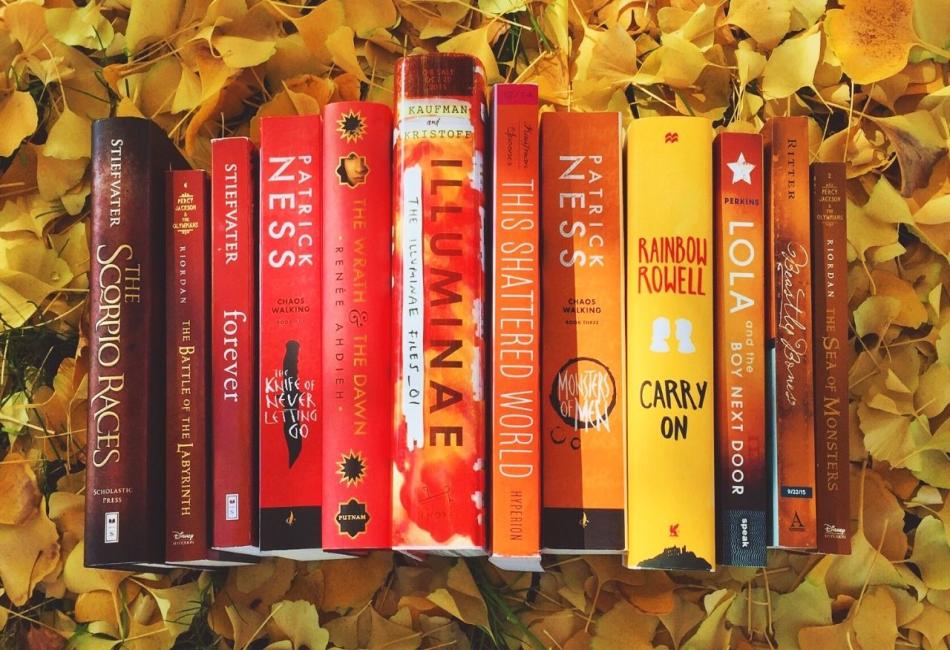
In the world of book design, color plays a crucial role in grabbing attention and conveying the essence of a story. Among the myriad hues available to designers and authors, orange stands out as one of the most compelling choices. Bold, bright, and full of energy, orange book covers are impossible to ignore—and for good reason. This article delves into the psychology of orange, explores notable examples, and discusses why this vibrant color is gaining traction across genres.
The Psychology of Orange
Orange is a color that sits between red and yellow on the color spectrum, borrowing the excitement and passion of red and the cheerfulness and warmth of yellow. Psychologically, orange evokes feelings of enthusiasm, creativity, energy, and warmth. It’s often associated with vitality and innovation.
For a book cover, these associations can translate to several messaging strategies:
-
Excitement for adventure and action books.
-
Warmth for heartfelt fiction or memoirs.
-
Innovation for business, tech, or self-help books.
Orange can also signal nonconformity, appealing to readers looking for something different. It breaks away from the traditional blues and blacks of corporate, crime, or thriller covers and stands out on both digital and physical shelves.
Genres That Use Orange Effectively


Although orange can be applied across various categories, some genres naturally lend themselves to the color more than others:
1. Self-Help & Motivation
Books focused on growth, positivity, and energy often use orange to amplify their uplifting messages. It grabs the reader’s eye and encourages action, making it ideal for motivational themes.
2. Children’s and Young Adult
Orange is fun and youthful, making it perfect for kids and teens. It conveys excitement and adventure—two key components in books aimed at younger readers.
3. Business & Innovation
Forward-thinking brands and entrepreneurs favor orange to represent creativity and progress. A business book with an orange cover may suggest disruptive thinking and modern strategies.
4. Fiction and Contemporary Literature
In contemporary fiction, orange is used to evoke emotion and stand out in a crowded market. It can suggest warmth, eccentricity, or even surrealism, depending on how it’s used with typography and imagery.
Iconic Orange Book Covers
Some of the most memorable book covers throughout publishing history have featured orange. Here are a few notable examples:
-
“A Clockwork Orange” by Anthony Burgess
Perhaps the most famous orange-themed book of all time, both in title and cover. The original designs used striking orange paired with surreal, dystopian imagery, enhancing the unsettling nature of the novel. -
Penguin Classics (Orange Editions)
Penguin’s classic orange paperbacks became iconic in British publishing. The orange-and-white layout with black serif text became instantly recognizable, signaling high literary value in a budget-friendly format. -
“The Subtle Art of Not Giving a F*ck” by Mark Manson
With its bright orange cover and blunt title, this bestseller caught readers’ attention through sheer visual power. The boldness of the color matched the author’s unapologetic tone.

Design Tips for Orange Book Covers
Using orange effectively in a book cover requires more than just picking the brightest swatch in the palette. Here are a few best practices:
1. Pair with Neutral or Contrasting Colors
Orange pairs well with black, white, gray, and even shades of blue. High contrast typography (white or black) over an orange background ensures readability while maintaining visual impact.
2. Balance with Imagery
Too much orange can be overwhelming. Consider using it as a background or accent rather than filling the entire cover. Balance it with subtle illustrations or minimalist photography.
3. Typography Matters
Bold typefaces tend to work best with orange. Serif fonts add sophistication, while sans-serif fonts keep it modern and clean. The type should be easy to read at a glance, especially for digital thumbnails.
4. Use Gradients or Textures
To avoid a flat look, consider incorporating gradients, textures, or patterns in orange tones. This adds depth and visual intrigue, helping the cover stand out further.
Why Readers Gravitate Toward Orange Covers
In an age of digital scrolling and fast decisions, orange book covers make people stop and look. Whether it’s on a bookstore display or a scrolling e-commerce site, orange demands attention. Readers may subconsciously associate orange with energy and excitement—qualities that translate into an engaging reading experience.
Moreover, orange can communicate approachability. It doesn’t carry the academic stiffness of navy or the formality of black. Instead, it feels open, vibrant, and human—qualities readers appreciate in both fiction and non-fiction.

Customizing Orange for Your Book
If you’re an author or designer considering orange for a cover, ask yourself the following:
-
Does the book’s theme align with energy, creativity, or warmth?
-
Is it a genre where standing out visually helps?
-
Will orange support or clash with your book’s tone?
Also consider testing variations: burnt orange for a vintage feel, neon orange for a tech-forward vibe, or pastel orange for a softer, more emotional story.
Final Thoughts
Orange book covers are not just a passing trend—they’re a strategic design choice that speaks volumes before a reader even opens the first page. From their psychological impact to their practical benefits in grabbing attention, orange covers are a bold declaration of what a book stands for.
Whether you’re writing a high-energy self-help guide, a quirky novel, or an innovative business book, orange could be the color that gives your work the spotlight it deserves. Don’t be afraid to embrace the boldness—it might just be the element that gets your book into readers’ hands.
FAQ
What does the orange book refer to?
The term “Orange Book” can refer to different authoritative publications depending on the context. In the pharmaceutical industry, the Orange Book is a reference guide published by the U.S. Food and Drug Administration (FDA) that lists approved drug products along with their therapeutic equivalence evaluations, helping healthcare professionals determine generic alternatives. In the realm of cybersecurity, the Orange Book refers to the “Trusted Computer System Evaluation Criteria” issued by the U.S. Department of Defense, which sets standards for assessing the security of computer systems. Additionally, in political or literary contexts, “Orange Book” might denote specific policy documents or books with orange-colored covers, such as the reformist political manifesto The Orange Book: Reclaiming Liberalism in the UK. The meaning of the term depends largely on the professional or thematic context in which it is used.
Why are so many book covers orange?
Many book covers are orange because the color is bold, energetic, and highly effective at grabbing attention. In a crowded marketplace—whether online or in a bookstore—orange stands out due to its brightness and warmth, drawing the eye more quickly than muted or darker tones. Psychologically, orange evokes feelings of enthusiasm, creativity, and approachability, making it an ideal choice for genres like self-help, business, contemporary fiction, and children’s books. Additionally, iconic designs—such as Penguin’s classic orange paperback series—have contributed to its popularity and recognition, reinforcing orange as a go-to color for impactful, memorable cover design.
Why was a Clockwork Orange book banned?
A Clockwork Orange” by Anthony Burgess was banned in various schools and libraries due to its graphic depictions of violence, sexual assault, and disturbing themes involving youth delinquency and psychological manipulation. Critics argued that the novel’s explicit content was inappropriate for younger audiences and could be seen as glorifying or normalizing antisocial behavior. Additionally, the book’s exploration of free will, morality, and the state’s role in behavioral control sparked controversy, particularly during politically tense periods. Despite the bans, the novel is widely regarded as a powerful piece of dystopian literature that challenges readers to grapple with complex ethical questions.