
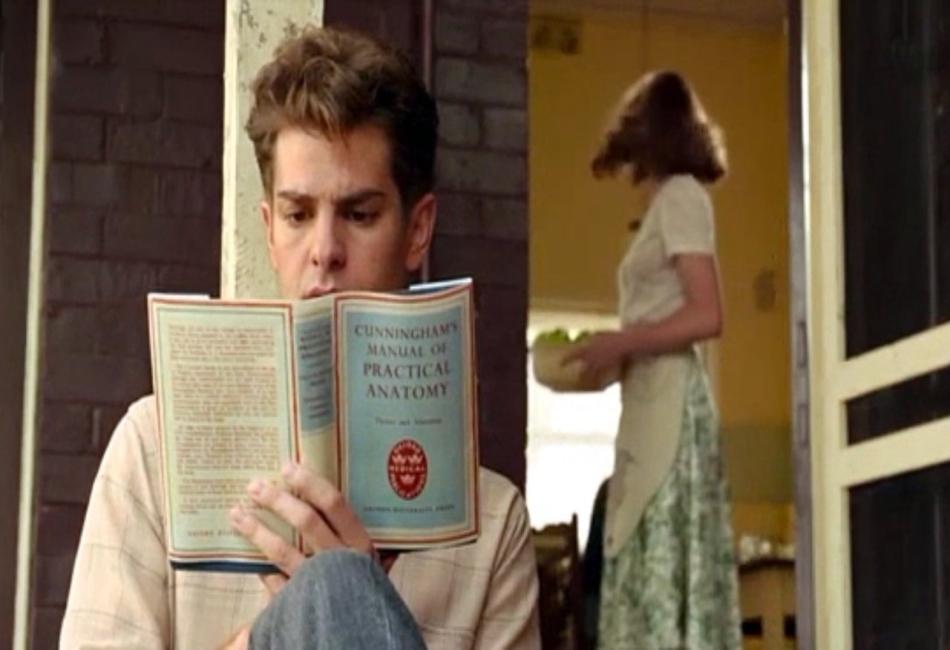
When Hacksaw Ridge, the 2016 film directed by Mel Gibson, hit theaters, audiences were captivated by the extraordinary tale of a man who ran into the chaos of war without carrying a weapon. The story is based on the real-life heroism of Desmond Doss, a combat medic in World War II who refused to bear arms but saved the lives of 75 men during the Battle of Okinawa. While the film brought his story to the forefront of popular culture, the lesser-known Hacksaw Ridge book versions delve even deeper into the convictions, challenges, and legacy of this remarkable man.
This article explores the Hacksaw Ridge book(s), their connection to the film, and the inspiring life of Desmond Doss as told through the written word.
1. Who Was Desmond Doss?
Before diving into the book, it’s essential to understand who Desmond Doss was. Born in 1919 in Lynchburg, Virginia, Doss was a devout Seventh-day Adventist. His religious beliefs led him to reject violence in any form, including bearing arms. When World War II broke out, he enlisted as a conscientious objector, determined to serve his country not by taking lives, but by saving them.
Despite ridicule from fellow soldiers and doubts from commanding officers, Doss’s actions during the Battle of Okinawa earned him the Medal of Honor—the first ever awarded to a conscientious objector.
2. The Book Behind the Movie: The Conscientious Objector
The core book that inspired the Hacksaw Ridge film is The Conscientious Objector by Terry Benedict. Originally a documentary filmmaker, Benedict worked closely with Doss for years, compiling interviews, military records, and personal accounts into a compelling narrative.
Key Highlights:
-
Chronicles Doss’s childhood and spiritual upbringing
-
Details the tension between his beliefs and military duty
-
Offers firsthand accounts from soldiers who witnessed his heroics
-
Shares insights into his post-war life and legacy
Though not as widely known as the film, The Conscientious Objector provides the deepest and most accurate portrayal of Doss’s motivations and inner struggles.
3. Redemption at Hacksaw Ridge by Booton Herndon
Another notable work is Redemption at Hacksaw Ridge by Booton Herndon. This book, originally published under the title The Unlikeliest Hero in 1967, was later updated and re-released to coincide with the film.
What Makes It Unique:
-
Written with Doss’s cooperation, providing rare personal anecdotes
-
Emphasizes the spiritual dimension of his bravery
-
Reads like a novel, with a narrative style that captures emotion and tension
Herndon’s book serves as an accessible introduction to Doss’s story, especially for younger readers or those unfamiliar with military history.
4. Themes Explored in the Book
The Hacksaw Ridge book(s) go beyond the battlefield to explore several powerful themes:
a. Faith Under Fire
Doss’s unwavering commitment to his beliefs, even under the threat of court-martial or death, is a central theme. His story raises important questions about the role of religion in public service and the limits of personal conviction.
b. Courage Without Violence
In a world that often equates heroism with aggression, Doss redefines bravery. His courage came not from wielding weapons but from facing danger armed only with faith and compassion.
c. Redemption and Forgiveness
Both books also highlight how many soldiers who initially mocked or bullied Doss came to deeply respect and admire him. His story is one of redemption—of proving one’s worth through actions, not appearances.
5. Differences Between the Book and the Movie
While the film Hacksaw Ridge is largely faithful to the true story, the books provide a fuller picture and include nuances the movie couldn’t capture due to time constraints.
Book vs. Film:
-
Depth of Faith: The books emphasize Doss’s spiritual struggles and his prayer life, offering more detail than the film.
-
Training and Harassment: The abuse Doss faced during training is more extensively documented in the books.
-
Battlefield Experience: The books include additional battles and moments of heroism not shown in the movie.
-
Post-War Life: The film ends shortly after the Battle of Okinawa, but the books cover Doss’s later struggles with health, fame, and his lasting impact.
If you loved the movie, reading the book is a natural next step to gain a deeper understanding of the man behind the mask.
6. Why the Book Still Matters
The Hacksaw Ridge book and the story of Desmond Doss are more than just historical accounts—they are enduring reminders of principles that transcend time and conflict. In today’s polarized world, where beliefs often divide more than unite, Doss’s life is a testament to the power of conviction combined with humility.
His story also serves as a challenge: to ask ourselves what we truly stand for and whether we have the courage to live out our values, especially when it’s inconvenient or dangerous.
7. Where to Find the Book
Interested readers can find The Conscientious Objector, Redemption at Hacksaw Ridge, or The Unlikeliest Hero through:
-
Online retailers like Amazon, Barnes & Noble, and ChristianBook.com
-
Libraries and military history collections
-
Audiobook platforms such as Audible
The books vary in tone and depth, making it easy for readers of different ages and backgrounds to engage with the material.
8. Legacy of Desmond Doss
Desmond Doss passed away in 2006, but his story continues to inspire millions. From schools and churches to military academies, his example is used to teach integrity, faith, and selflessness.
Honors and Recognition:
-
Medal of Honor from President Harry Truman
-
Numerous books and documentaries
-
The Hacksaw Ridge film was nominated for six Academy Awards, winning two
-
Statues and memorials in his honor, including at the National Museum of the U.S. Army
Conclusion
The Hacksaw Ridge book isn’t just a companion to a powerful film—it’s a standalone chronicle of one of the most extraordinary individuals in American history. Desmond Doss’s story challenges the traditional notions of heroism, inviting us to consider that the greatest acts of courage often come not from force, but from faith.
Whether you’re a history buff, a person of faith, or someone searching for inspiration, the story found in Hacksaw Ridge will move you, challenge you, and perhaps even change how you view bravery itself. If you’ve seen the movie, take the next step—read the book, and discover the full depth of this true American hero.
Write some FAQs on the Hacksaw Ridge Book:
Q1: Is there an official Hacksaw Ridge book?
A: While there is no single book titled Hacksaw Ridge, the story of Desmond Doss is detailed in several books, including The Conscientious Objector by Terry Benedict and Redemption at Hacksaw Ridge by Booton Herndon. These books provided the foundation for the film adaptation.
Q2: What is Redemption at Hacksaw Ridge about?
A: Redemption at Hacksaw Ridge is a biography of Desmond Doss that explores his religious beliefs, military experiences, and heroic actions during World War II. Originally published as The Unlikeliest Hero, it was revised and re-released to accompany the film’s debut.
Q3: How is the Hacksaw Ridge book different from the movie?
A: The book delves deeper into Doss’s early life, faith, and the harassment he faced during training. It also covers his post-war life and the long-term impact of his service—elements that the film briefly touches on or omits entirely.
Q4: Who wrote the book The Conscientious Objector?
A: The book was authored by filmmaker Terry Benedict, who also directed a documentary by the same name. He worked closely with Desmond Doss to tell his story in detail, drawing on interviews, archival materials, and personal reflections.
Q5: Is the Hacksaw Ridge book suitable for young readers?
A: Yes, some versions, particularly Redemption at Hacksaw Ridge, are written in an accessible style appropriate for teenagers and young adults. However, parents and educators may want to review content for younger readers due to war-related themes.
Q6: Where can I buy or read the Hacksaw Ridge book?
A: The books can be purchased online through Amazon, Barnes & Noble, and other major retailers. They are also available in libraries and some audiobook platforms like Audible.
Q7: Are there any religious themes in the book?
A: Yes, Desmond Doss’s story is deeply rooted in his Christian Seventh-day Adventist faith, which guided his decisions as a conscientious objector. The books explore how his beliefs shaped his actions and character.
Q8: Does the book cover Desmond Doss’s life after the war?
A: Yes, most books include information about Doss’s post-war experiences, his struggles with injuries and health, his family life, and how he dealt with the fame that came after receiving the Medal of Honor.
Q9: Is the book historically accurate?
A: The books are based on extensive research, firsthand accounts, and direct interviews with Doss and those who knew him. While some narrative elements are stylized, they remain faithful to the facts and spirit of his story.
Q10: Can I use the book for academic or historical research?
A: Absolutely. The Hacksaw Ridge books are valuable resources for those studying World War II, conscientious objectors, military ethics, or religious convictions during wartime.