Switching to solar energy is a significant decision that requires thoughtful planning, and one of the most important considerations is choosing the right system size. A solar system that is too small may not cover your energy needs, while one that is oversized can become unnecessarily expensive. Balancing efficiency, cost, and long-term energy goals is crucial to ensuring that your investment yields a return. We will explore how to calculate your energy usage, assess your property, and determine the ideal solar setup for your household so you can confidently make the transition to renewable power.
Key Steps to Sizing Your Home Solar System
Analyze Your Energy Consumption
The first step in finding the right solar system size is to understand how much energy your home uses on a daily, monthly, and yearly basis. Energy consumption can vary widely depending on the number of people in your household, the appliances you use, and your daily lifestyle. Reviewing your utility bills over the past 12 months is one of the easiest ways to get accurate data. These bills typically show your kilowatt-hour (kWh) usage, which is the standard measurement used in solar system sizing. For example, if your home consumes an average of 1,000 kWh per month, that equates to about 12,000 kWh per year.
With this figure in hand, you can begin calculating how many solar panels are needed to generate sufficient electricity. Companies like North Valley Solar Power often guide homeowners through this process, ensuring calculations reflect real-world performance and household demands. This step is crucial because your energy usage patterns—such as higher air conditioning needs in summer or heating in winter—directly influence the system size. By analyzing your consumption habits, you create a foundation for determining the solar system that will effectively cover your needs without falling short or exceeding practical limits.
Evaluate Sunlight Availability and Roof Orientation
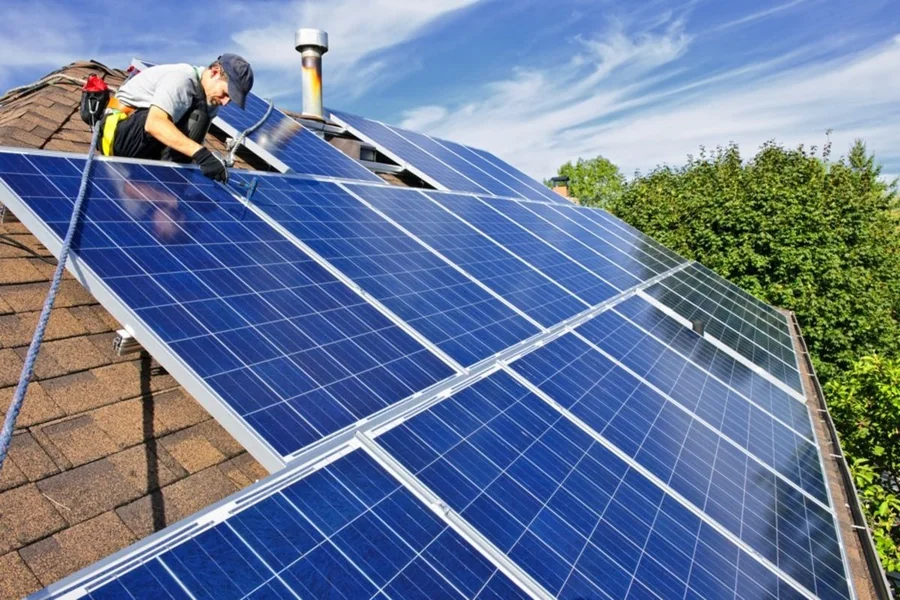
The amount of sunlight your property receives each day has a direct impact on the efficiency of your solar panels. Homes located in sunnier climates often need fewer panels to generate the same amount of electricity as homes in areas with less consistent sunlight. Roof orientation and tilt also play major roles. South-facing roofs in the Northern Hemisphere generally capture the most sunlight, while east- or west-facing roofs can still be effective with slight adjustments in system design. Roof obstructions such as chimneys, skylights, or nearby trees casting shade must also be considered, as they can reduce overall output.
By assessing the daily sunlight hours your home receives and combining this with the physical characteristics of your roof, you can better estimate how many panels can realistically be installed and how much power they will generate. This step ensures that your solar system is not only sized according to energy use but also adapted to the natural resources available at your specific location.
Match System Capacity with Household Goals
Sizing a solar system is not just about covering your current electricity bills—it also involves thinking about your long-term goals. Some homeowners want to offset 100% of their usage, while others may prefer partial coverage to lower bills without the upfront cost of a larger system. Future energy needs should also be factored in. If you plan to purchase an electric vehicle, expand your home, or add more appliances, your electricity demand will increase. Designing your solar system with these plans in mind can save you from costly upgrades later.
Additionally, some homeowners aim to include battery storage, which requires a larger system to generate enough surplus energy for nighttime or backup use. By aligning your solar capacity with both current and future goals, you ensure that the investment is practical, cost-efficient, and capable of supporting your household’s evolving lifestyle. This holistic approach makes your solar journey more sustainable and adaptable to future demands.
Work with Professional Assessments
While much of the initial research can be done independently, a professional solar assessment is often necessary to determine the correct system size. Trained installers use tools such as solar irradiance maps, shading analysis, and roof inspection data to create precise energy production models. These calculations often highlight factors homeowners might overlook, such as seasonal changes in sunlight or efficiency losses due to panel degradation over time. A professional assessment also ensures your system complies with local building codes, safety standards, and utility requirements.
Having this additional layer of evaluation ensures accuracy, reduces risks, and gives you confidence that your chosen system size will perform as intended. Even if you have a good estimate from your own calculations, a professional perspective helps fine-tune the design and confirm your decision. This collaboration ultimately leads to a solar installation that meets your goals and delivers consistent results over the years.
Determining the right solar system size for your home involves more than just picking a number of panels—it requires analyzing your energy usage, evaluating sunlight exposure, and planning for both current and future needs. By considering these key steps, homeowners can make informed choices that balance performance, cost, and sustainability. Staying informed about options such as different texas energy plans can also help homeowners make smarter decisions when integrating solar with their utility usage. A properly sized solar system ensures that your investment works effectively for many years to come, helping you lower utility bills, support renewable energy, and create a more energy-independent lifestyle.